

how to organize classroom library
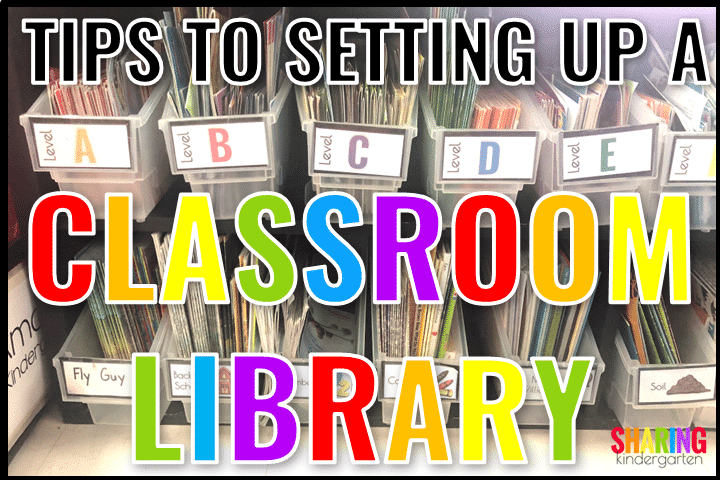
Are you looking for straightforward tips on how to organize classroom library that inspires and captivates your lower elementary students? Today, let’s embark on a journey to transform your library into a vibrant and welcoming space filled with literary treasures that spark imagination—even for struggling readers. Let’s dive into actionable strategies for effective classroom library organization.
Why Classroom Library Organization Matters
The heart of every classroom is its library. It’s a space where students ignite their imaginations, explore new worlds, and build confidence in their abilities. Every classroom deserves a well-organized library that students can access daily. Let’s explore key steps to create an inviting and functional library for your little learners. A good classroom library fosters equitable access to books and promotes literacy skills.
From Bland to Brilliant: Decorating Your Library Space
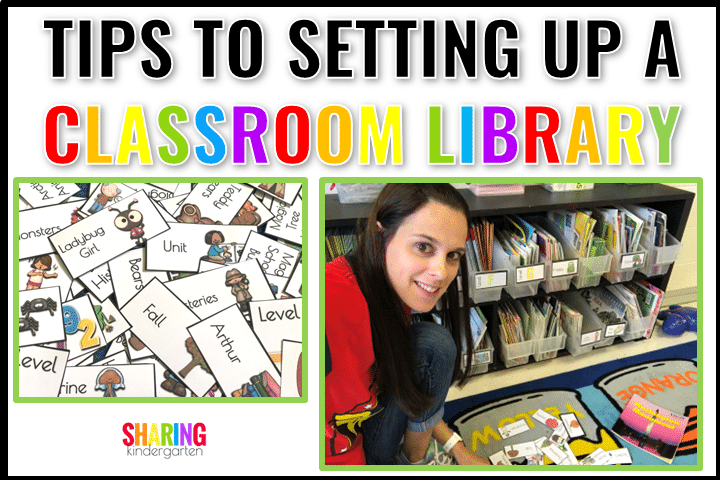
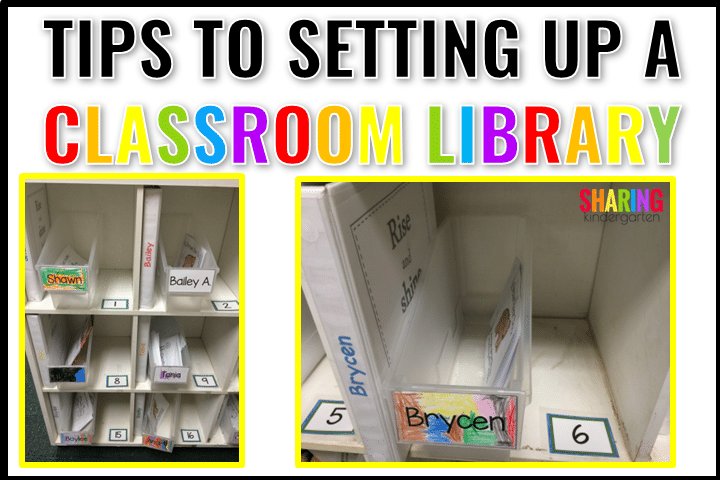
Setting the stage for literary adventures begins with the right environment. Transform dull, dusty shelves into a vibrant, captivating space that draws students in. Add child-friendly bin labels that even nonreaders can use, ensuring your library is both functional and visually appealing. Remember, the goal is to transport students into a world where reading becomes an exciting adventure.
Pro Tip: Use picture-rich library labels on bins to help nonreaders easily locate books.
How to Organize Classroom Library Effectively
A disorganized library is like a puzzle with missing pieces. Organization is key to creating an effective classroom library:
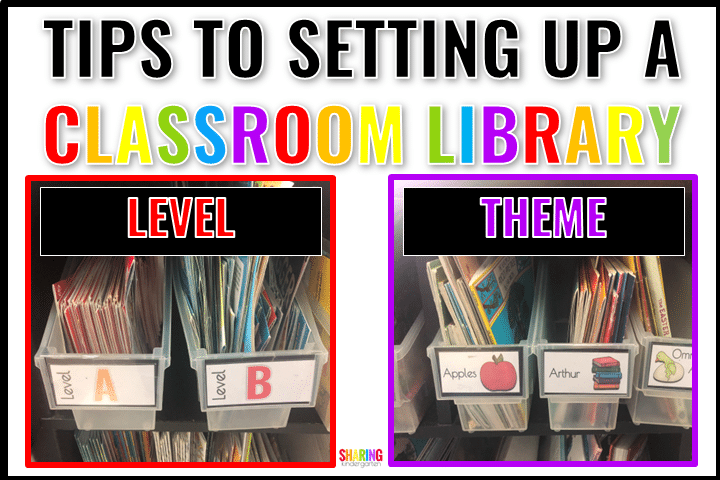
- Categories: Organize books by genres, themes, or reading levels. While some educators prefer leveled libraries, I recommend a mixed approach—including leveled books alongside genre or thematic sections. This balance ensures students can explore freely and find books that interest them.
- Student Access: Simplify navigation for students by using clear labels and logical groupings. This includes setting up a system that not only first graders can manage, but kinders can manage as well.
- Book Storage: Book baskets, book bins, or plastic shoe boxes from the dollar store are great resources for organizing your library space.
Pro Tip: Start at the beginning of the year by teaching students how to use and care for their class library. This extra time investment will save you much work later.
What Makes a Good Classroom Library?
The best classroom libraries offer a diverse selection of books that cater to different interests, reading levels, and cultural backgrounds. Include:
- Classics like The Very Hungry Caterpillar
- New books such as The Octopus Who Loved Socks
- Nonfiction books, graphic novels, and wordless books
- Social stories that address real-life situations
Having a variety of books ensures there’s something for everyone. Include chapter books for older students, picture books for younger kids, and popular series that capture the interest of all readers.
Pro Tip: Stock up on leveled readers through resources like Scholastic Book Wizard to diversify your collection.
Keeping Your Library Organized
Introduce a simple borrowing system to teach responsibility and keep books in their proper place. Here’s how to organize classroom library to ensure smooth operations:
- Assign each student a book box or book bag.
- Allow them to borrow a set number of books and store them in their designated space (e.g., cubbies or desks).
- Teach students how to return books to the correct location in the library.
This process requires patience, especially for younger or nonreading students. But with time and practice, they’ll learn to manage it independently. Consider adding a return bin for easy book returns and assigning a student librarian as part of your classroom jobs to help maintain the library.
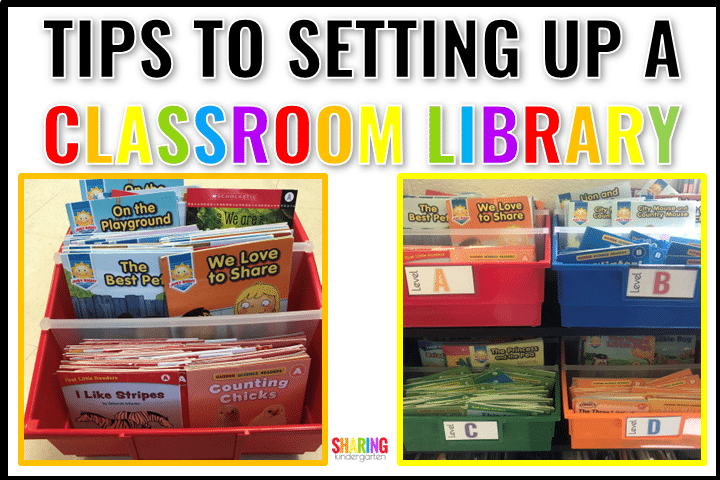
Pro Tip: Use bins from resources like Really Good Stuff to keep books organized and accessible.
Enhancing the Experience with Reading Buddies
Make storytime magical by incorporating reading buddies. Partnering with students allows them to:
- Share the joy of reading
- Discuss the book and its vocabulary
- Help each other with challenging words or concepts
The collaboration fosters connection, learning, and a love of reading. It’s a great way to build literacy skills and student ownership of their reading journey.
Spreading the Magic of a Well-Organized Library
Creating a classroom library isn’t just about storing books; it’s about curating a space that unlocks the imagination and inspires a lifelong love of reading. Let your library be a treasure trove of wonder, where dreams take flight, and young readers embark on endless adventures.
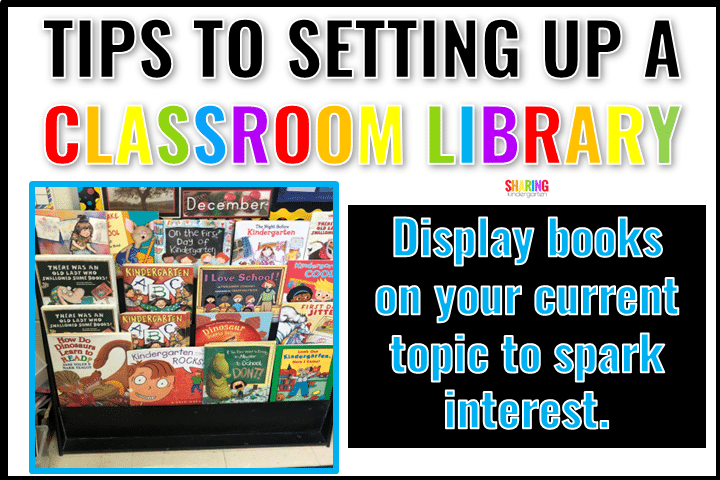
Pro Tip: Display books prominently using shelf labels, bulletin boards, or book recommendations to spark curiosity and interest. Knowing how to organize a classroom library effectively can transform it into a sanctuary for your students.
Embrace the magic of reading, and watch your classroom library transform into a sanctuary of inspiration for your students. Happy reading, fellow adventurers!
Next Steps: If you’re still wondering how to organize the classroom library in the right direction, explore additional resources and share your favorite tips with our community. Let’s make every classroom library a magical and well-loved space!
You can see some of my bins are from Really Good Stuff.
Larger colorful bins here, narrow colorful bins here, clear bins here.
-
 Classroom Library Labels$14.00